Phone:
1-787-795-8088
Monday to Friday:
8:00 am - 6:00 pm (EST)
Saturday and Sunday:
8:00 am - 4:00 pm (EST)
Address:
GO-10, Av. Roberto Sánchez Vilella, Carolina, PR 00982.
Email:
help.store@mundonatural.tv
Your shopping bag is empty
Go to the shop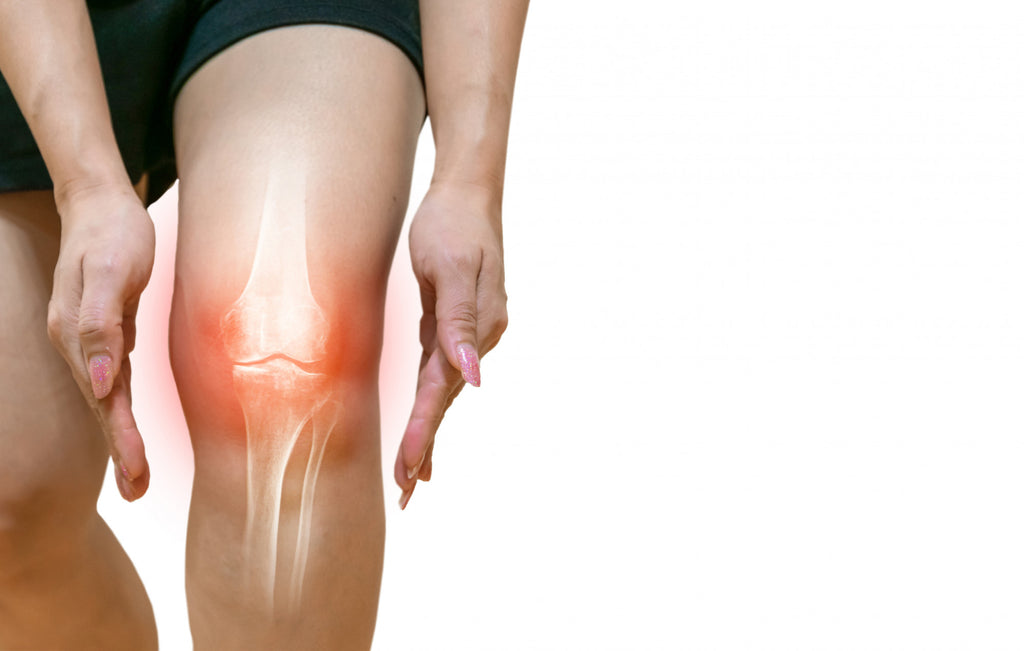
Let's begin this article by defining osteoporosis: it is a condition in which bone mass or bone density is reduced, meaning it is the weakening of the bones.
Now, bones are living tissue that is constantly being reabsorbed and reformed; when more bone is reabsorbed than is reformed, osteoporosis occurs.
In this article, we will explore the causes of osteoporosis, as this condition is not as simple as it may seem; it is a multifaceted disease that affects women more frequently, but also affects men, and is caused by a variety of factors, including hormonal imbalance, elevated blood sugar levels, oxidative stress, and inflammation.
. 
Osteoporosis is generally asymptomatic and is not detected until a severe fracture occurs. Therefore, it is crucial to take all necessary measures to prevent the development of the disease.
Our bones are made up of calcium salt crystals in a protein matrix. Cells called osteoblasts produce the matrix and attract calcium compounds to form new bone, while a different set of cells called osteoclasts reabsorb bone tissue to allow new shapes and structures to form in response to gravity and muscle traction. With this process in mind, we can now look at the main causes of osteoporosis:
Sedentary lifestyle: Like many other health conditions, a sedentary lifestyle directly affects our bones. The lack of weight-bearing exercise is one of the main factors. A sedentary lifestyle reduces the constant forces that bones need to experience to continue their normal remodeling process.
Vital hormones: To understand this, we will explain phase by phase in the most summarized way possible. Estrogen and testosterone promote bone formation and regulate bone resorption, and when those hormone levels decrease, osteoporosis can occur.
During puberty, bone production increases drastically, producing the growth spurt in the early years of adolescence. This effect seems to be mainly driven by estrogen (female hormones) in both boys and girls. Near the end of puberty, androgens (male hormones) increase in both women and men. The increase in androgens fuses the growth plates of the bones, resulting in bones no longer being able to lengthen.
Young adults typically maintain a stable balance in which the formation of new bone is almost equal to bone resorption.
After about the age of 35, the total amount of bone in the body begins to decrease. In women, the process begins quite abruptly with the onset of menopause, when estrogen levels drop dramatically. In men, new bone formation on the outer surface of the bone keeps pace with resorption on the inner surface for much longer.
Insulin resistance, blood sugar: Healthy production of bone matrix protein increases insulin sensitivity in other tissues. Conversely, people with metabolic syndrome who are insulin resistant have poorer bone quality and a higher risk of osteoporotic fractures.
Oxidation and inflammation: The oxidation of fatty acids and other molecules produces reactive oxygen species that directly and indirectly affect the formation of new bone and promote bone resorption. Similarly, chronic inflammation accelerates the absorption of existing bone while hindering the normal production of new bone. Fat cells produce a constant flow of inflammatory cytokines while decreasing the sensitivity of cells to insulin; both factors further impede normal bone production.
Vitamin K: In order to form healthy, mineral-rich bones, a healthy bone matrix protein must be produced. Vitamin K is an essential cofactor for the production of the main bone protein, osteocalcin.
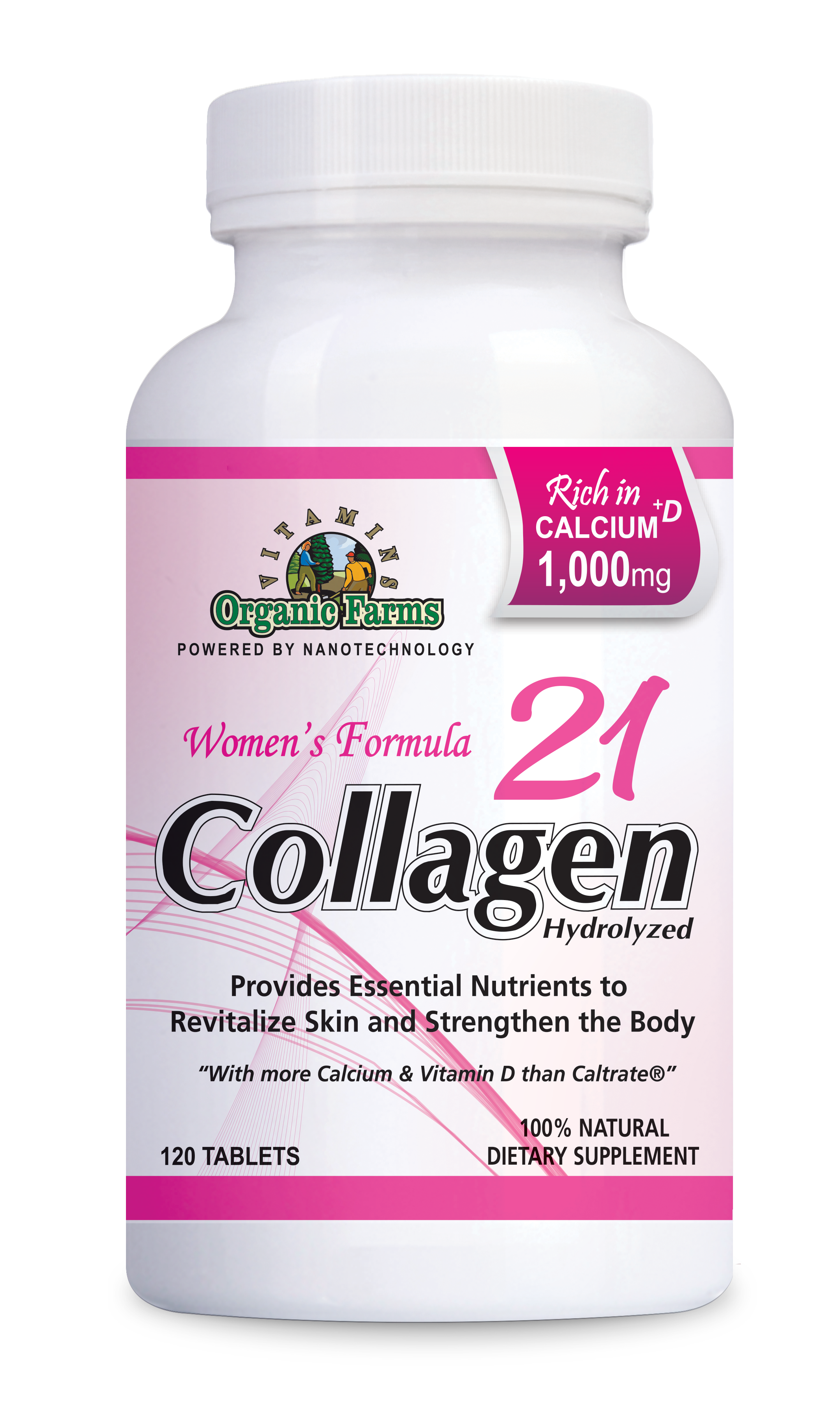
Calcium and Vitamin D: Many other environmental and nutritional factors contribute to the gradual development of osteoporosis. Adequate calcium intake is required for healthy bone remodeling and to prevent osteoporosis. Vitamin D promotes the intestinal absorption of calcium and also regulates the amount of calcium that enters and leaves the bone tissue in response to the body's other calcium needs.
Minerals: While bone is primarily composed of matrix proteins and calcium compounds, small amounts of other minerals are essential for normal bone function. These include magnesium, which regulates calcium transport; silica, which reverses calcium loss in urine; and boron, which interacts with other minerals and vitamins and also has anti-inflammatory effects.
EATING A NUTRIENT-RICH DIET AND EXERCISING REGULARLY ARE IMPORTANT FOR BONE HEALTH