Phone:
1-787-795-8088
Monday to Friday:
8:00 am - 6:00 pm (EST)
Saturday and Sunday:
8:00 am - 4:00 pm (EST)
Address:
GO-10, Av. Roberto Sánchez Vilella, Carolina, PR 00982.
Email:
help.store@mundonatural.tv
Your shopping bag is empty
Go to the shop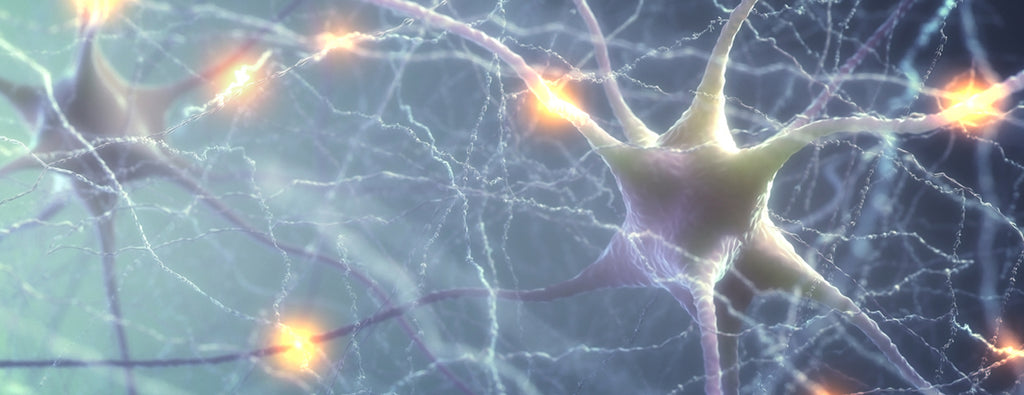
Epilepsy is a neurological disorder characterized by the periodic occurrence of seizures; disturbances in electrical signaling in the brain. Over time, numerous types of epilepsy have been described, varying in severity, ranging from mild sensory disturbances to brief periods of staring or unconsciousness, up to full seizures.
Seizures are caused by abnormal electrical activity within the brain. They can manifest in a variety of symptoms, including repetitive movements, changes in breathing frequency, reddening, sudden lapses in consciousness, hallucinations, rhythmic muscle spasms, or a generalized loss of muscle control.

Approximately 3 million people experience epilepsy in the United States, and there are 200,000 new cases diagnosed each year.
Epileptic seizures are caused by a disruption of electrical activity between neurons in the cerebral cortex, the most developed part of the human brain. The cortex makes up about two-thirds of the brain's mass and is responsible for thinking, perception, language production and comprehension. It is also responsible for processing and interpreting the five senses.
Epilepsy is typically diagnosed based on a combination of clinical findings, including the patient's history, physical examination, and laboratory tests. Additionally, there are multiple different health issues that can cause epilepsy, such as brain tumors, whether benign or malignant, brain injuries, autoimmune irregularities, and neurological diseases like stroke and Alzheimer's disease, which can trigger seizures. These represent acquired forms of epilepsy with distinct causes.
Idiopathic epilepsy refers to epilepsy with no identifiable cause. It is believed that genetics plays a role in many cases of idiopathic epilepsy, as close relatives of someone with epilepsy are five times more likely to develop epilepsy themselves.
In susceptible individuals, seizures can be triggered by the presence of certain factors known as triggers, including low blood sugar levels (hypoglycemia), dehydration, fatigue, lack of sleep, stress, extreme heat or cold, depression, and flashing or flickering lights. Food and environmental sensitivities can also trigger seizures in some people.
The most common diagnostic test to detect epilepsy is the electroencephalogram (EEG), which monitors electrical activity in the brain. However, brain activity may be normal between seizures, so a normal EEG does not rule out an epilepsy diagnosis. Other brain imaging studies, such as magnetic resonance imaging (MRI) and computed tomography (CT) scans, are sometimes used to identify physical causes of seizures, such as tumors or malformations in the brain's blood vessels.