Phone:
1-787-795-8088
Monday to Friday:
8:00 am - 6:00 pm (EST)
Saturday and Sunday:
8:00 am - 4:00 pm (EST)
Address:
GO-10, Av. Roberto Sánchez Vilella, Carolina, PR 00982.
Email:
help.store@mundonatural.tv
Your shopping bag is empty
Go to the shop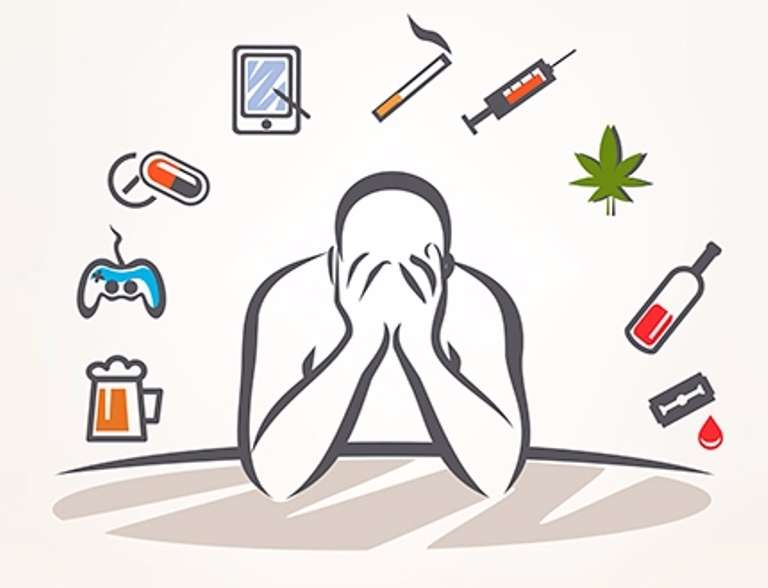
The Power of Addiction
There are some prescription drugs that are toxic to our brain. The use of these medications can cause functional and structural changes in vital organs, leading to immense neurological damage.
The harmful consequences of these neurotoxic drugs are not limited to the brain. Several other organs and tissues in the body can be affected to varying degrees depending on the pharmacological actions of the involved drug.
Have you ever had a big night of drinking? Did you try some drugs or dabble occasionally in recreational drugs? Most people who drink or experiment with recreational drugs never develop a problem or become addicted.
The big question we need to ask ourselves is: when does this “use” of recreational drugs become “abuse” of drugs, and when does it turn into a “drug addiction”?
Substance abuse is when a person habitually uses an intoxicating substance for recreational purposes, such as binge drinking, regular marijuana use, or taking more medication than prescribed.
Addiction is the progression of substance abuse in which an individual experiences symptoms and a pattern of compulsive, dysfunctional behaviors resulting from an uncontrollable and growing need for the drug or drink. Substance abuse/addiction is often considered a "moral failure." However, this is far from true. All drugs carry risks as they affect the brain by disrupting various pathways, often involving reward systems.
Understanding complementary and alternative therapies for substance abuse can be highly beneficial in these cases. Through functional medicine, some of the best individualized care can be provided to those suffering from drug addictions, helping them overcome stigma while improving their quality of life.
Here is a discussion on the recreational drugs commonly involved in substance abuse and how they lead to an addictive state. We will also look at complementary and alternative therapies that can help patients recover and lead a normal life.
Common Recreational Drugs:
Alcohol
Cannabis
LSD
Tobacco
Tobacco mixed with cannabis
Energy drinks with caffeine
Prescription opioids
Benzodiazepines
MDMA (methylenedioxymethamphetamine)
Cocaine
Managing Substance Use Disorder: Nutritional support can play a key role in managing substance use disorder. Often, the process involves treatment and counseling by an integrated team. Functional medicine health advisors, healthcare professionals, and psychologists can offer crucial, specific support to individuals suffering from addiction. An important aspect to remember is that it is not the time to create a divide between modalities. Instead, together we want to educate and build a bridge based on trust, compassion, knowledge, and understanding. Family support also plays a vital role in ensuring long-term success in treatment in such cases.
Factors That Can Lead to Addictions: Treating substance use disorder involves identifying and removing factors that may lead to or contribute to worsening addiction. Therefore, it’s important to understand these factors, as they can also trigger a relapse in the future even after the patient has recovered.
Some factors that may trigger addictions include:
Desires to belong to a group
To relieve stress
To cope with an unfavorable or challenging problem
To alleviate physical pain or psychological trauma
To overcome boredom
As with most other health conditions, the treatment of substance use disorder must also be planned and personalized, taking into account the person’s unique physical, emotional, and nutritional needs.
It should be noted that each individual is unique and, therefore, requires a comprehensive evaluation to identify coexisting conditions. Therefore, the treatment of substance use disorder may also include social, physical, dietary, and psychological assessments.
The role of deep sleep in maintaining optimal health should not be overlooked. Research studies suggest that sleep disorders can increase the risk of substance use. These factors can also influence the effectiveness of treatment.
Additionally, disturbances in sleep patterns and circadian rhythm disruptions are often worse during the most critical initial phase of withdrawal. Treatment aimed at balancing hormone levels in the nervous system, such as melatonin, progesterone, and adenosine, and modifying light exposure could help maintain a normal circadian rhythm, aiding the patient in sleeping well and avoiding withdrawal symptoms.
Furthermore, most drugs act as neurotoxins, especially when used for several weeks or months. They can affect the body’s nutritional status. Therefore, emphasis should be placed on correcting nutrient deficiencies, improving gut function, promoting detoxification of chemicals and heavy metals, and controlling cellular inflammation and oxidative stress to support faster recovery.
Neurotransmitters Reward the Deficiency Syndrome Addictive substances are known to cause neuroadaptation in neurotransmitter systems. Most addictive drugs also act as functional dopamine agonists; for example, the use of the substance triggers an overproduction of dopamine, the neurotransmitter responsible for the feeling of pleasure.
This dopamine surge essentially trains your brain to view the activity performed or the drug of choice as a desirable activity that should be done again. Over time, the brain stops producing dopamine naturally and will only do so when the substance is used.
This is the dependency that leads to withdrawal. Symptoms occur because, without the drug, the person is unable to feel "good" or even "normal." The person is driven by these feelings (often incredibly strong feelings) to do something, anything, to experience that emotion again.
Dopamine is also involved in reward, motivation, motor activity, food intake, and emotions, while serotonin is important for sleep, appetite regulation, personality, and mood. This is why people with substance use disorders are generally affected by reward deficiency syndrome, which is characterized by a diminished or insufficient dopamine state.
If someone uses a drug regularly, there is always the risk of substance abuse and addiction. There is no guilt because the powerful and cunning disease of drug addiction is in control. But how can you control your need for a drug when it’s your own neurological cells telling you to take the drug?
This is why the treatment of reward deficiency syndrome generally focuses on correcting dopamine levels. It also involves strategies aimed at regulating neurotransmitter functions and levels such as endorphins (encephalins), serotonin, GABA, acetylcholine, glutamine, and dopamine.
Here are some therapeutic interventions that would help in the faster recovery of patients struggling with drug or alcohol abuse:
N-acetylcysteine (NAC) N-acetylcysteine (NAC) regulates key neurotransmitter systems involved in psychopathology by affecting glutamate and dopamine levels.
NAC can reduce oxidative stress induced by prolonged use of toxic recreational drugs and prevent downregulation of dopamine transporters triggered by excessive dopamine release.
NAC is also a precursor to glutathione (GSH), the body’s own antioxidant.
Therefore, it can play an important role in reducing dopamine-induced neurotoxicity in patients with psychiatric disorders, including substance use disorder, obsessive-compulsive disorder, bipolar disorder, and schizophrenia.
Enkephalins There are 3 basic families of opioid peptides produced in the body, including enkephalins, dynorphins, and endorphins.
Among these, enkephalins are involved in nociception (modification of the pain response), reward perception, and mediating behavioral reinforcement.
Inhibiting enkephalinase can lead to a greater availability of enkephalin in brain tissues, thus reducing depression and the desire to consume recreational drugs.
D-phenylalanine has enkephalinase-inhibiting properties. Along with L-phenylalanine's ability to increase dopamine levels in the brain, D-phenylalanine can further support the brain's reward cascade.
Using DL-phenylalanine, which is a combination of both phenylalanine isomers, can result in a significant increase in enkephalin levels, leading to a marked reduction in drug-seeking behaviors.
It has also been shown that stimulating GABA through glutamine and 5-HT receptors through L-tryptophan enhances the effects of anxiolytic and antidepressant treatments that help patients withdraw from substance abuse.
GIT Support Alcohol and recreational drugs can affect intestinal permeability.
For example, alcohol is broken down by gram-negative bacteria in the gut. This can lead to the accumulation of acetaldehyde, which can damage the integrity of the tight junctions in the intestinal lining. This would increase intestinal wall permeability, allowing endotoxins to enter the bloodstream.
This can contribute to the transfer of endotoxins from the gut to the bloodstream and the liver, where these toxins can trigger inflammatory changes leading to severe long-term damage.
Alcohol can also increase intestinal wall permeability, which can worsen systemic inflammatory response.
The use of glutamine could be beneficial in such cases, as it would help maintain the structural integrity of the intestinal lining. Glutamine can also improve microcirculation in the colon walls and enhance gut barrier functions, thus preventing the loss of water and nutrients. Probiotics can also reduce inflammation and support the activities of short-chain fatty acids like butyrate, thereby promoting healing and recovery. Slippery elm could offer soothing protection to the mucosal lining of the intestinal tract, thus reducing the risk of inflammatory diseases like ulcerative colitis and Crohn's disease.

Detoxification
Detoxification is considered a vital step in the recovery treatment from drug use.
Nutritional therapy can also provide an effective and safer withdrawal process by promoting detoxification and allowing the elimination of drugs or medications accumulated in healthy tissues.
The accumulation of these substances can lead to the depletion of the body's antioxidant reserves. As a result, vital tissues and organs become vulnerable to inflammation, damage, and cancerous changes.
Ensuring that the body receives an adequate supply of nutrients can support detoxification processes and assist in eliminating these toxins from the body.
These nutrients include glycine, glutamic acid, methionine, calcium-d-glucarate, cysteine, taurine, magnesium, vitamin B6, folate, B12, zinc, and selenium.

Mitochondrial Dysfunction
Chronic alcohol intake can reduce oxygen consumption in mitochondria and increase mitochondrial susceptibility to form MPT pores (mitochondrial permeability transition), which are key components of the cell death programs.
Chronic alcohol intake can also depress liver functions and contribute to the production of reactive oxygen species (ROS), thus worsening oxidative stress in healthy tissues.
It can lead to a decrease in both total and mitochondrial GSH levels, resulting in mitochondrial lipid peroxidation and a faster progression of liver diseases.
Therefore, there is a need to improve the nutritional supply to the body so that these changes can be reversed. Nutritional interventions should also aim to reduce oxidative stress and support the healing of damaged tissues.
Addiction and Epigenetics
It has become evident that chronic substance abuse occurs due to defective adaptation in the genetic and epigenetic landscape of the brain's reward circuitry. It is also associated with dysfunctions in the cognitive and limbic regions.
Epigenetics could be an effective way to modify lifestyle factors to activate (or deactivate) specific gene expressions to reduce the risk of addiction. These epigenetic changes can form long-term "tags" at the molecular level in the body. Epigenetic changes in DNA can coordinate gene expression during brain development. Therefore, it is likely that these epigenetic changes occur during the prenatal and perinatal periods.
This means that having a family history of drug or alcohol abuse, especially from the parents, could affect the development of the fetus's brain. It can also modify the child's risk of addiction during adulthood.
For this reason, it is advised that parents undergo a detox program before planning conception.
New research studies have suggested that fetal exposure to alcohol may increase the risk of drug abuse later in life. Prenatal exposure of the brain to alcohol causes endocannabinoids produced in the brain to create a different effect on dopamine neurons involved in addictive behaviors. As a result, dopamine neurons become more sensitive to the effect of recreational drugs.
Furthermore, prenatal exposure to alcohol may also reduce the effect of endocannabinoids by interfering with the function of endocannabinoid receptors. As a result, excitatory synapses may lose the ability to weaken, triggering a critical brain mechanism that can lead to a higher risk of addiction.
This genetically linked form of drug or alcohol abuse development is called fetal alcohol spectrum disorders. This can lead to cognitive and behavioral problems in children, as well as an increased risk of mental health issues (depression, anxiety, ADHD, and impulse control).
CONCLUSION:
It is time to understand that drug or alcohol abuse is not the result of a moral failure. It occurs due to specific genetic expression, nutritional deficiencies, or altered neurotransmitter responses in the brain.
Therefore, it is essential to identify the root cause of addiction and focus treatment on eliminating factors that may contribute to substance abuse.
Epigenetics is expected to play a key role by enabling patients to overcome withdrawal symptoms and live a healthy life by allowing them to recover from substance abuse in a safe and more efficient way.