Phone:
1-787-795-8088
Monday to Friday:
8:00 am - 6:00 pm (EST)
Saturday and Sunday:
8:00 am - 4:00 pm (EST)
Address:
GO-10, Av. Roberto Sánchez Vilella, Carolina, PR 00982.
Email:
help.store@mundonatural.tv
Your shopping bag is empty
Go to the shop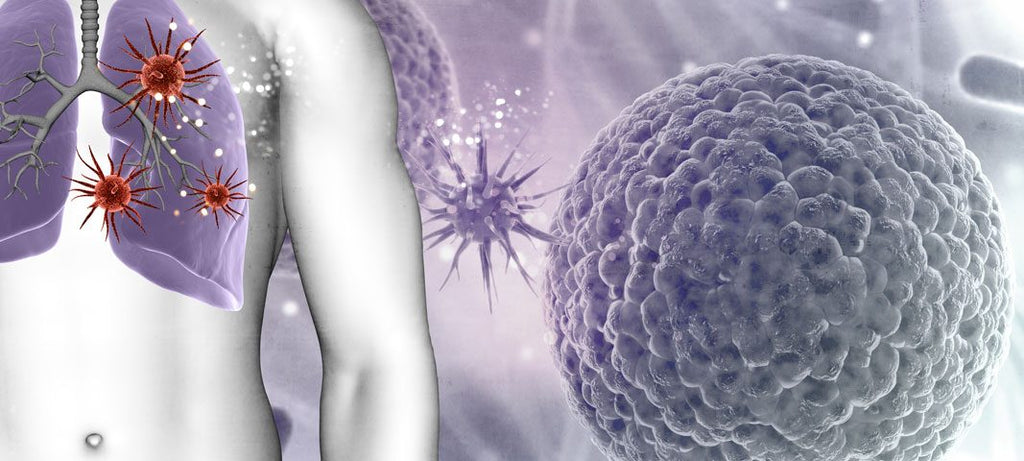
Let's begin by refreshing what we all know about the Wuhan Coronavirus. This virus first caught the attention of health authorities in late 2019, when it was identified as the cause of a cluster of pneumonia cases in the city of Wuhan, Hubei province, China. Since then, COVID-19 has spread globally and was declared a pandemic by the World Health Organization on March 11, 2020.
But what is the coronavirus?
Coronaviruses are a large group of related viruses that cause many common human and animal infections. In humans, coronaviruses typically cause mild respiratory infections, accounting for 10% to 30% of all upper respiratory tract infections. Coronaviruses are among the most frequent causes of the common cold. However, in the past decade, new coronaviruses have emerged that cause potentially lethal respiratory diseases. These include severe acute respiratory syndrome (SARS) and Middle East respiratory syndrome (MERS) coronaviruses, in addition to the current SARS-CoV-2.
One of the main challenges in suppressing the spread of COVID-19 has been that many cases are asymptomatic. That is, some people are infected but show no symptoms or only very mild symptoms and may not realize that they are capable of infecting others.

Now, in this article, we will discuss a recent study conducted by a group of researchers indicating the possibility that COVID-19 could be causing lung abnormalities that are detectable MORE THAN THREE MONTHS AFTER patients are infected. This was the result of a study at the University of Oxford, where a novel scanning technique was used to identify damage that was undetectable by conventional scans.
How was this study conducted? Professor Fergus Gleeson tested his scanning technique on 10 patients aged 19 to 69, using a gas called xenon during magnetic resonance imaging (MRI) to create images of lung damage. This xenon technique allows patients to inhale the gas during an MRI scan.
As a result... Eight of the patients experienced persistent shortness of breath and fatigue three months after contracting the coronavirus, even though none had been admitted to intensive care or required ventilation, and conventional scans had not found any issues in their lungs.
The scans showed signs of lung damage in the eight individuals who reported shortness of breath, highlighting areas where air did not flow easily into the blood. Given this result, the professor said he expected some degree of lung damage, but not to the extent indicated by the results.
As a result, Professor Gleeson has planned a trial involving up to 100 people to see if the same happens with individuals who had not been admitted to the hospital and did not experience severe symptoms. Lung experts said that a test capable of detecting long-term damage would make a significant difference for COVID-19 patients.
The goal of all this is to discover if lung damage occurs, and if so, whether it is permanent or resolves over time.
The uncertainty felt by those suffering from this disease, and even by those who have not been directly affected, is significant. Most people say they would rather know what is happening in their bodies than remain unaware of whether they have any damage or will experience long-term effects. That is, the majority of the population wants a clear diagnosis, even if it is not good, as it is very stressful not knowing what is wrong. Would you also prefer to know what is happening, or would you rather not know anything?
In conclusion, it is important to highlight that all the research being conducted on COVID-19 is crucial for understanding the virus and identifying lung damage that may occur after individuals become infected and even after they recover from the disease.